
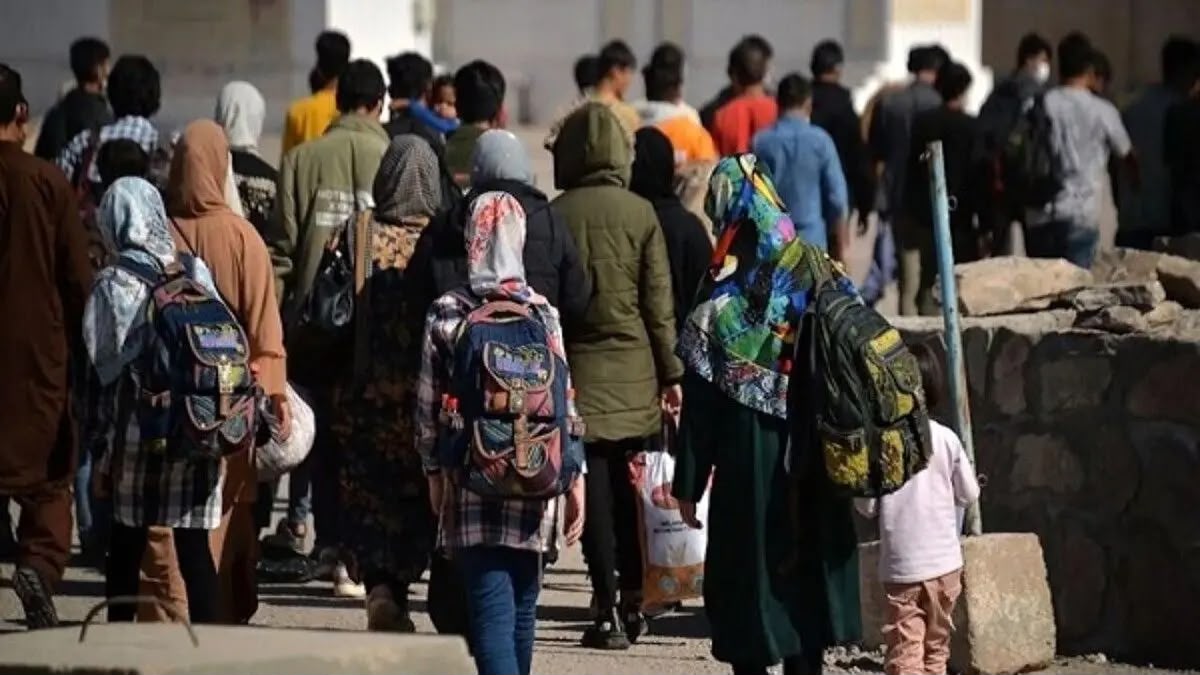
The United Nations High Commissioner for Refugees (UNHCR) has announced that Afghanistan continues to face one of the world’s largest and longest-running forced displacement crises, affecting not only Afghanistan but also neighboring countries including Iran, Pakistan, and the Central Asian states.
According to the report, decades of displacement, economic fragility, insecurity, and geopolitical tensions continue to shape migration patterns across the region, creating complex humanitarian needs for refugees and migrants.
UNHCR states that Iran and Pakistan continue to host the majority of Afghan refugees worldwide. However, changing migration policies and economic pressures in both countries have led to the large-scale deportation and return of Afghan nationals under difficult circumstances, placing additional strain on vulnerable communities and basic services inside Afghanistan.
The report also notes that armed conflict in Iran and increasing security tensions between Afghanistan and Pakistan, combined with the wave of returning migrants, have further destabilized the region.
According to the UN, many Afghans returning home continue to face human rights violations and security threats. Difficult living conditions and insufficient reintegration opportunities also increase the likelihood of renewed displacement and migration to other countries.
UNHCR stressed that, together with its partners, it is working to provide emergency assistance, develop sustainable solutions, facilitate voluntary returns, expand legal migration pathways—including employment, education, and family reunification opportunities—and support vulnerable refugees in host countries.
However, the agency warned that severe funding shortages have significantly limited its ability to continue these support programs. According to the report, UNHCR requires US$254.4 million to implement its Afghanistan response plan for 2025.