
The Associated Press has published a report on the death of Fariba, a 16-year-old Afghan girl who died by suicide after being deprived of education, portraying her story as a symbol of the worsening psychological and social crisis facing girls in Afghanistan under Taliban rule. The report says restrictions on education and women’s rights are having far-reaching consequences beyond human rights, affecting the country’s economy, healthcare system, and future.
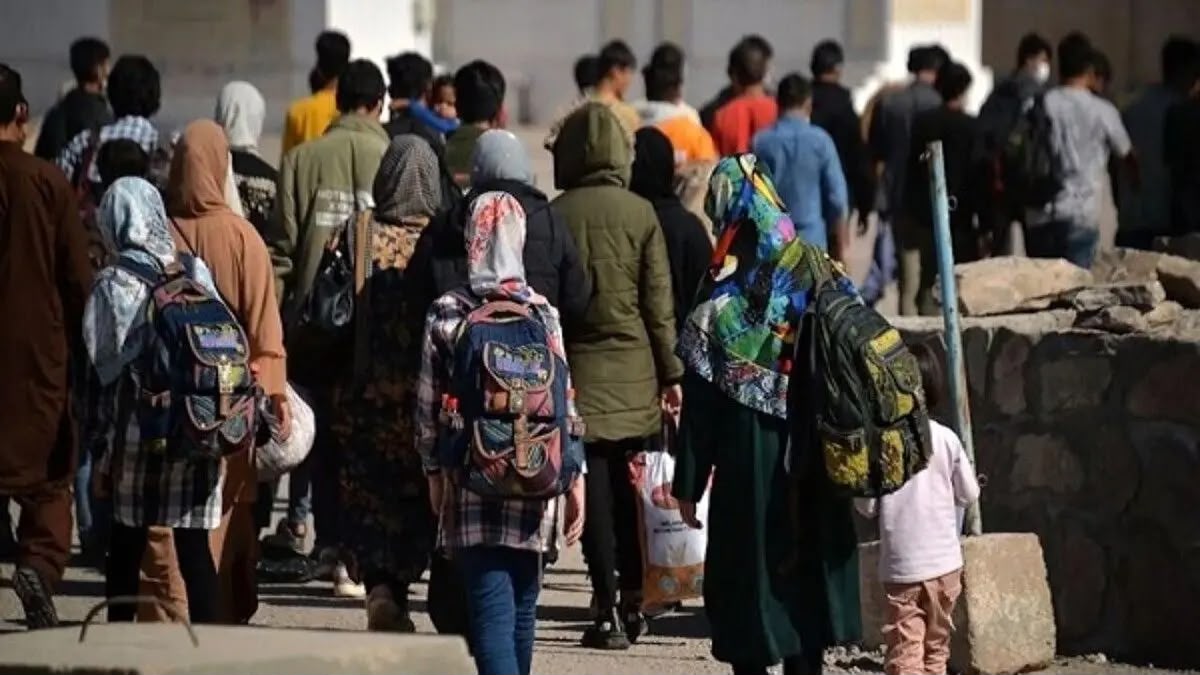
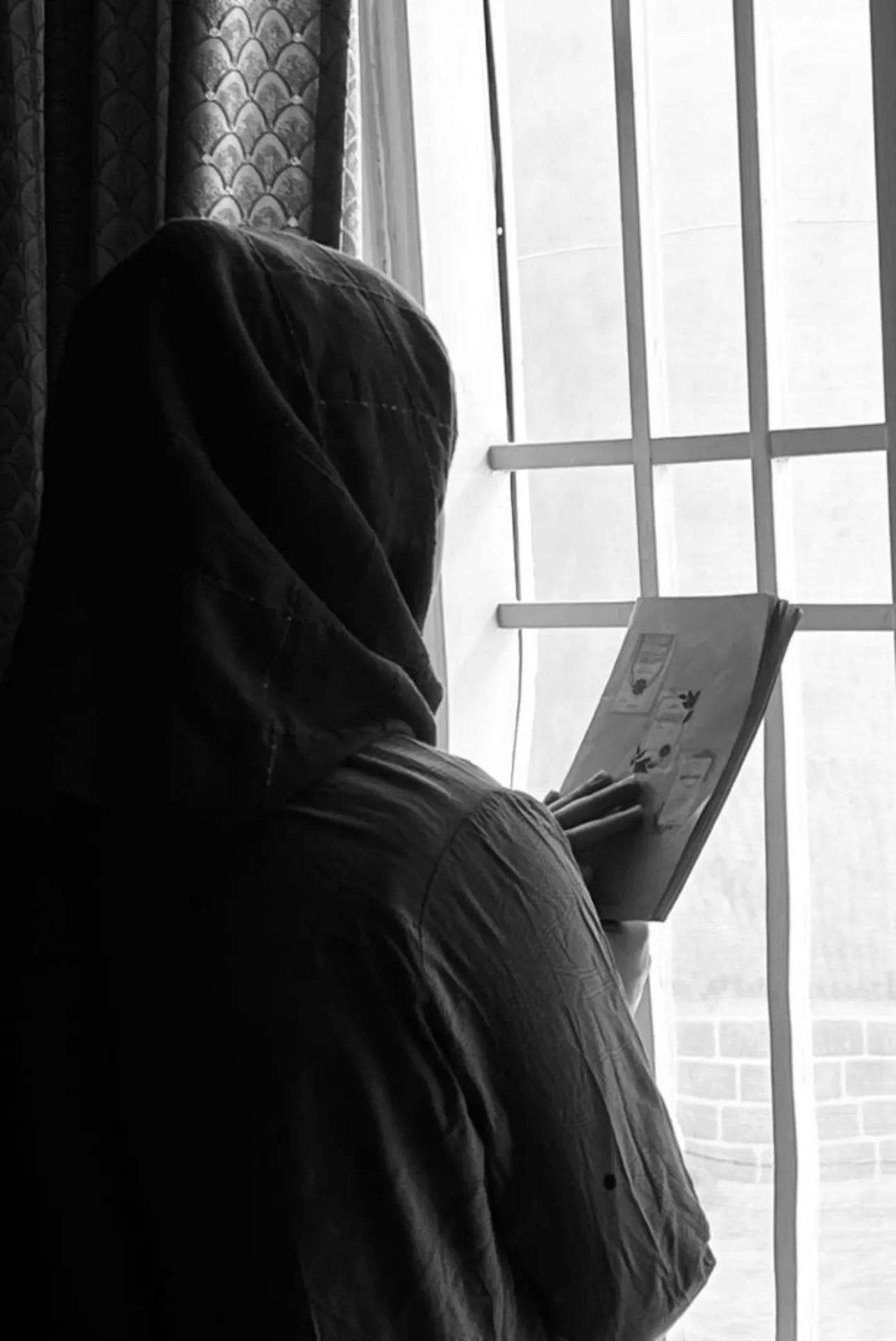
According to the report, even after the Taliban banned secondary education for girls, Fariba continued to walk to her school every day, hoping her teachers would tell her when she would be allowed to wear her school uniform again. Instead, she returned home each evening disappointed and heartbroken.
Fariba’s mother, who asked not to be identified for security reasons, told the Associated Press that her daughter gradually fell into deep despair and that the family never imagined she would take her own life. According to her mother, Fariba left a note saying: “Being a girl in Afghanistan is too difficult.”
The Associated Press wrote that life has long been difficult for women and girls in Afghanistan, but conditions deteriorated significantly during the Taliban’s first rule from 1996 to 2001 and have worsened again since the group’s return to power in August 2021.
The report says many Afghan women and international observers believe conditions continue to deteriorate and that suicides such as Fariba’s reflect the severe psychological and social pressures facing women and girls in the country.
The Associated Press noted that although the Taliban pledged to respect women’s rights within their interpretation of Islamic law when they returned to power, they banned girls from attending secondary school and later barred women from pursuing medical education.
Taliban officials have repeatedly said they are working to create the conditions necessary for girls to return to school but have yet to explain what those conditions are.
The report also highlights the broader consequences of these restrictions, arguing that the ban on girls’ education extends beyond human rights concerns and is damaging Afghanistan’s economy and healthcare system. Experts cited in the report warn that the restrictions increase the risks of child marriage and maternal mortality, while the ban on secondary education alone is estimated to cost Afghanistan approximately $500 million annually in lost economic productivity