

Rafiullah Nikzad 03.08.2026
“Take care of my sons.” These were among the final words of Hayatullah, an Afghan migrant who recorded a farewell message on his mobile phone during the final moments of his life while attempting to reach Iran through the scorching deserts of Nimroz province. In the short video, he repeatedly asks his family to look after his sons, especially one named Hebat.
The video, which has circulated on social media, shows Hayatullah struggling to speak due to extreme thirst and exhaustion. Addressing his family, he says he no longer expects to survive and asks them to forgive him. He also explains that he is so weak and fatigued that he can no longer answer or listen to phone calls.
Speaking in Pashto, Hayatullah asks forgiveness from his mother, relatives, and friends. He also asks his brother to repay his debts if he is able to do so and appeals to his creditors to forgive the debts if his brother cannot settle them.
He ends the message by saying that if the video reaches his family, they should keep it as his final remembrance.
In another part of the recording, Mir Adam, one of Hayatullah’s fellow travelers, who also appears to be in critical condition, asks Hayatullah to convey his farewell to his family. He, too, asks his mother for forgiveness.
Their weak voices, labored breathing, and final words portray the desperate final moments of migrants struggling for survival in the scorching deserts of Nimroz while attempting to reach Iran.
Afghanistan International has obtained information indicating that Hayatullah was 36 years old and a resident of Gholghi village in Dara-e Bum district of Badghis province.
Hayatullah and Mir Adam were among a group of 19 Afghan migrants who disappeared in the Dasht-e Margo desert in recent weeks. On 31 July, the bodies of 14 members of the group were discovered in the Gard-e Lalow area of Chahar Burjak district, Nimroz province.
About three weeks earlier, the bodies of five other members of the same group had also been recovered from the deserts of Nimroz. They had likewise been attempting to cross into Iran through an irregular route.
On 2 August, the Taliban announced that the bodies of the victims had been handed over to their families in Badghis province.
According to the Taliban, the group had been traveling toward Iran through the deserts of Nimroz when their vehicle broke down in Dasht-e Margo. After the vehicle became inoperable, the migrants reportedly lost their way and died from dehydration and extreme heat in the desert.
The International Organization for Migration (IOM) has described the deaths of at least 19 Afghan nationals in the Nimroz desert as a “deep tragedy.”
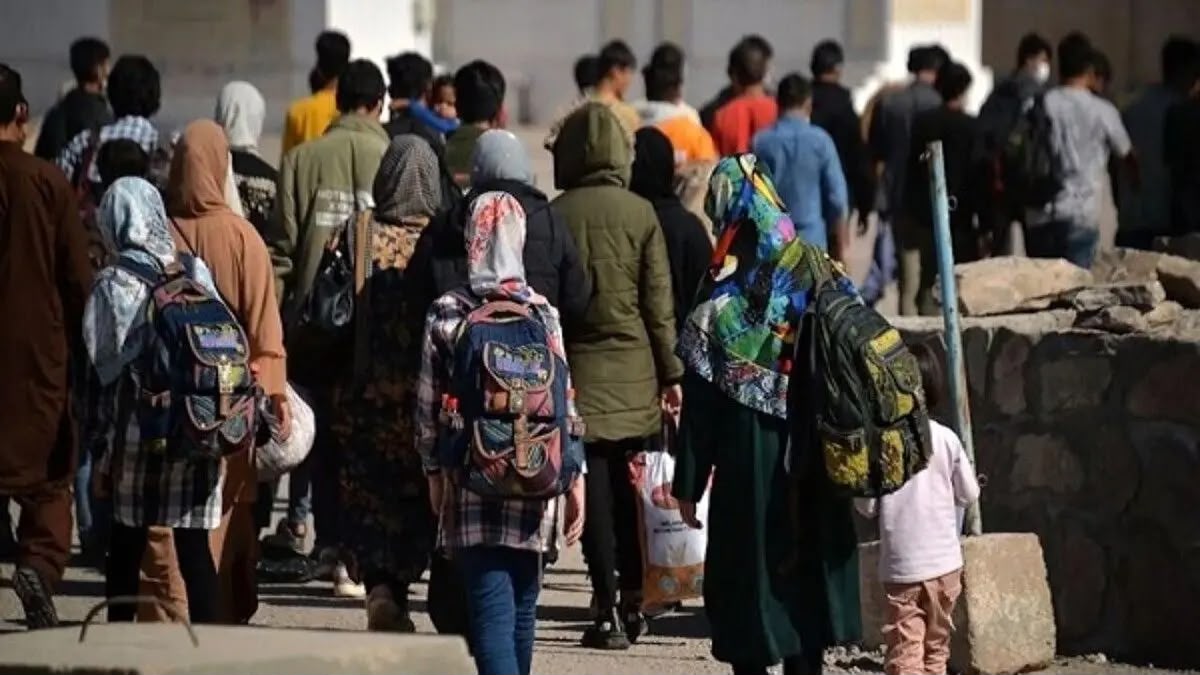
Afghanistan’s worsening economic crisis, rising poverty and unemployment, restrictions imposed by the Taliban, and shrinking employment opportunities have driven increasing numbers of Afghans to leave the country. With legal migration pathways remaining limited, many are forced to rely on human smugglers and undertake dangerous journeys through remote deserts and border regions in an effort to reach neighboring countries.