
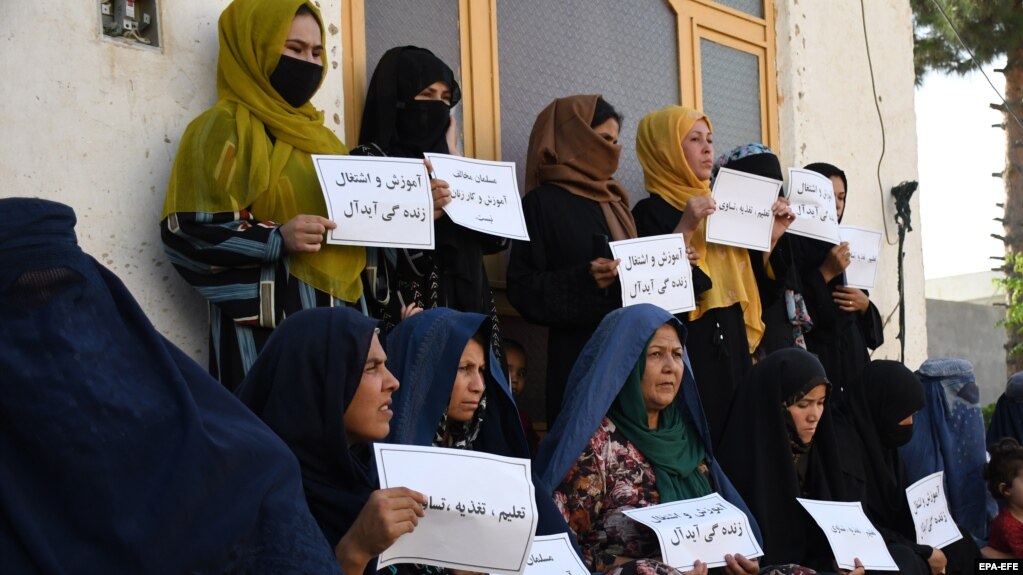
At the conclusion of their joint visit to Afghanistan, two senior United Nations officials emphasized, during meetings with Taliban authorities, the need for women’s full participation in all social and economic sectors. They warned that continued restrictions on women could seriously undermine Afghanistan’s reconstruction and development efforts.
Alexander De Croo, Administrator of the United Nations Development Programme (UNDP), and Barham Salih, United Nations High Commissioner for Refugees (UNHCR), stated that without women’s meaningful participation in the labour market, social activities, and development programmes, the reintegration of millions of returnees and the recovery of Afghanistan’s fragile economy would not be possible.
The two UN officials noted that current restrictive policies have not only hindered economic progress but could also derail Afghanistan’s reconstruction process.
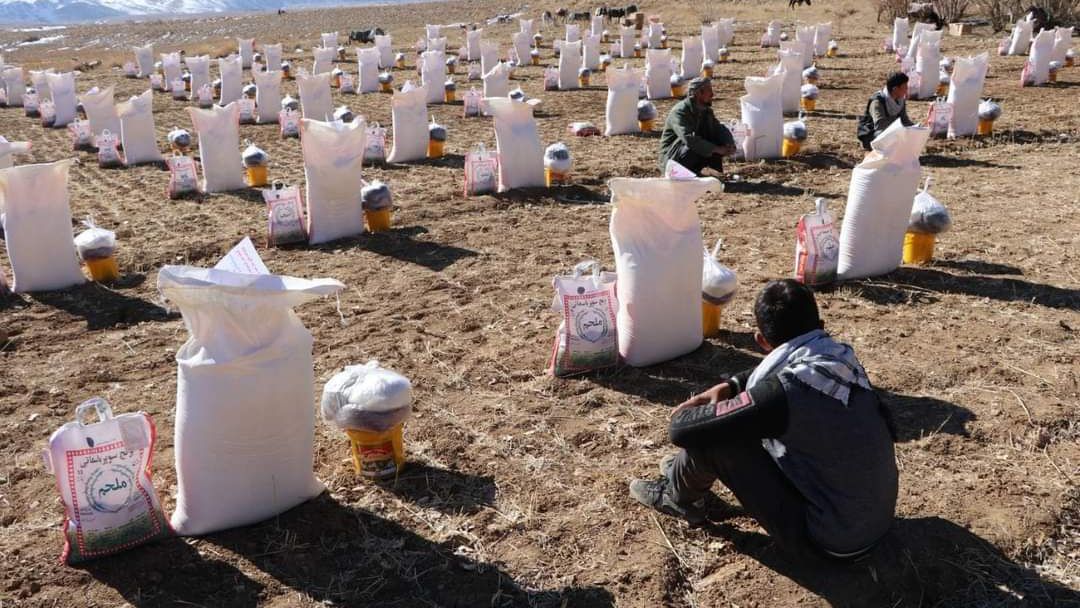
During his meetings, Barham Salih said that nearly half of Afghanistan’s population remains dependent on humanitarian assistance. He stressed that protection, employment opportunities, and human dignity must be ensured together for all citizens, particularly women and girls.
He called on the Taliban to remove existing restrictions on female staff working with humanitarian organizations so they can provide assistance without obstacles to vulnerable women and girls, especially returnees.
The United Nations also warned that the large-scale return of Afghan migrants under current conditions, without creating genuine opportunities for women’s participation and without sufficient international support, could lead to a wider crisis. The consequences, the UN said, would not be limited to Afghanistan and could increase the risk of instability across the region.
In a statement, the organization said that investment in job creation, essential services, social protection, and reintegration programmes for returnees are among the key requirements for achieving stability and sustainable development in Afghanistan.
At the end of their mission, the two UN officials called on the international community to increase humanitarian and development assistance to prevent the worsening of the humanitarian crisis in Afghanistan and to maintain long-term support.
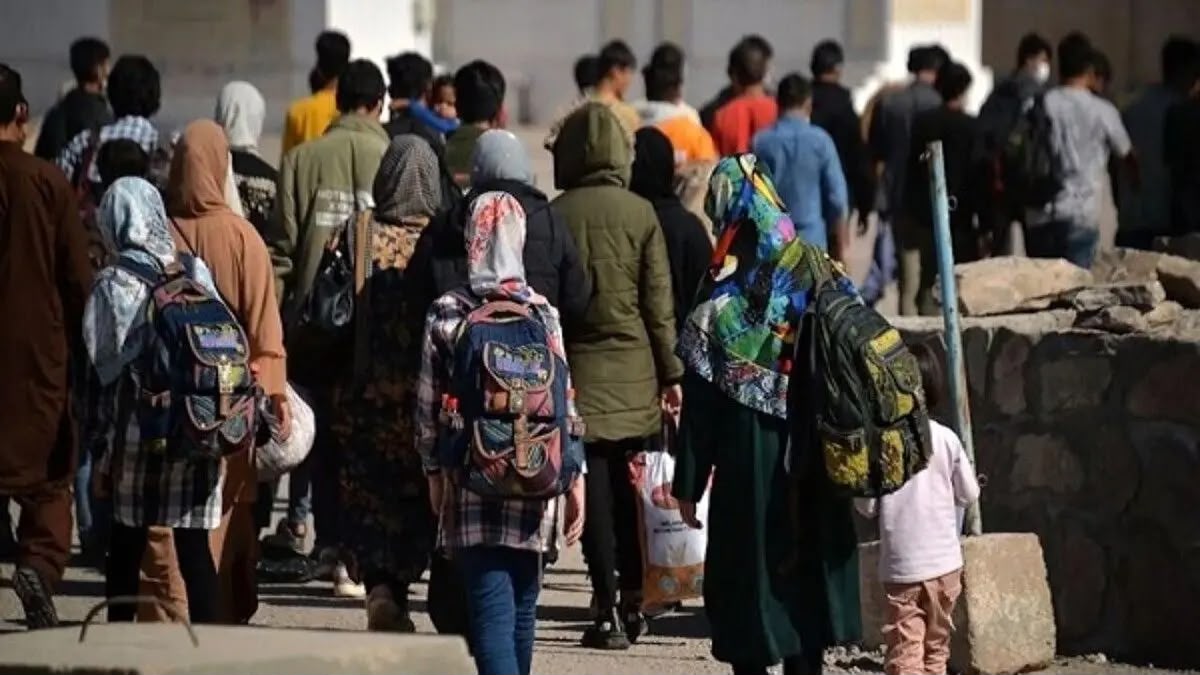
According to UN figures, more than six million Afghans have returned to the country since 2023, placing significant pressure on host communities. These areas are already struggling with widespread poverty, climate change impacts, limited employment opportunities, and weak public services.
In 2025 alone, around 2.9 million people returned to Afghanistan, while more than 900,000 others have arrived in the country during the current year. It is projected that an additional 2.5 million Afghans may return by the end of 2026.
Speaking about the difficult circumstances facing returnees, Alexander De Croo said that returning to Afghanistan does not mark the end of their challenges but rather the beginning of a new phase of life in which people need jobs, essential services, and opportunities to rebuild their livelihoods.
He added that with proper investment in employment, social services, and economic development, returnees could become an important force in rebuilding Afghanistan and contributing to long-term stability.
During the visit, the UN delegation also inspected humanitarian support programmes in Mazar-e Sharif. These initiatives include protection services, assistance with obtaining identity documents, psychosocial support, social services, and support for establishing and expanding small businesses, particularly for women and young people.
UN officials also highlighted the importance of ensuring that returnees have access to legal identity documents, saying that the lack of such documents creates serious barriers to accessing government services, employment opportunities, and social reintegration.
According to the report, fewer than half of Afghans who have returned after years of living abroad possess the necessary documents proving their identity and legal connection to Afghanistan.
Barham Salih reiterated that as the number of returnees increases, pressure on local communities will continue to grow, and the Afghan people now need international support more than ever.
He added that a stable future for Afghanistan will only be possible when all citizens, including women and girls, are able to participate without discrimination in the country’s development and in shaping its future.
During meetings with Taliban officials, the heads of UNDP and UNHCR identified respect for women’s fundamental rights, their active participation in society, and the ability of female humanitarian workers to operate freely as key requirements for improving Afghanistan’s humanitarian situation.
Afghanistan remains among the world’s most fragile economies. Heavy dependence on agriculture, the effects of climate change, chronic poverty, and a shortage of employment opportunities continue to pose major challenges to the country’s development.
UN figures show that 92 percent of returnees are unable to meet their basic needs. In areas hosting the highest numbers of returnees, only three percent of people have formal employment, while around 78 percent rely on daily wage labour for their livelihoods.
The United Nations concluded by stressing that providing protection services, issuing identity documents, creating livelihood opportunities, and strengthening social support programmes are essential steps toward rebuilding the lives of returnees and achieving stability and sustainable development in Afghanistan.